

Searching for Northern Italy’s best chocolate, wine, cheese, and bread.
For most, Milan conjures images of high fashion, high finance, and the white, sculpted spires of the city’s Duomo. Nearby, Turin is known for Fiats, the Shroud, and the fevered frenzy of rivaling soccer teams. But for me, a certified chocolate connoisseur, and Mario, a sommelier in-training, these cities and their surrounding countryside offer much more than designer clothes and cars. They offer a taste of terroir in the form of the world’s best chocolate, exquisite Italian bubbly (spoiler alert, it’s not Prosecco), historic cheeses, and the working man’s bread.
Chocolate Fit for Nobility
In the 17th century, European nobility developed a sweet tooth for chocolate. In Northern Italy, drops of the stuff were melted into water and enjoyed as a drink. In Piedmont, cacao became such an expensive commodity during the Napoleonic wars, that local hazelnuts were combined with chocolate to cut costs. By melding the two, gianduia was born. And, while the spread has been made internationally famous by Nutella®, it was a former pastry chef outside of Torino who elevated the combination to a near cult-following status.

Guido Castagna’s gianduia is of the highest quality. He says his secret is respect—for the cacao, for the farmers who grow the raw ingredients, and for the processes he employs to achieve exceptional results. His award-winning Giuinott takes a 150-year-old gianduiotto recipe and modernizes it to create a velvety combination of Venezuelan Chuao cacao and PGI Piedmont hazelnuts. I can never resist buying these triangular-shaped, bronze foil-wrapped, chocolate hazelnut bites of bliss, a jar of his 55+ chocolate hazelnut spread, and his bean-to-bar fine chocolate tablets.
Bottling Alchemy
Along a narrow, 20-kilometer strip south of Lake Iseo, only 40 minutes from bustling Milan, lies Franciacorta. Here, a mere 127 wineries produce some of Europe’s most intriguing and delicious metodo classico (sparkling wines). The first producer to bottle in this region was Berlucchi Winery. Beginning 1955, Guido Berlucchi and Franco Ziliani worked together to improve the quality of the region’s white wine. Ziliani, a lover of Champagne, suggested they try to create their own sparkling wine. Six years of trial and error later, the first 3,000 bottle vintage was released.
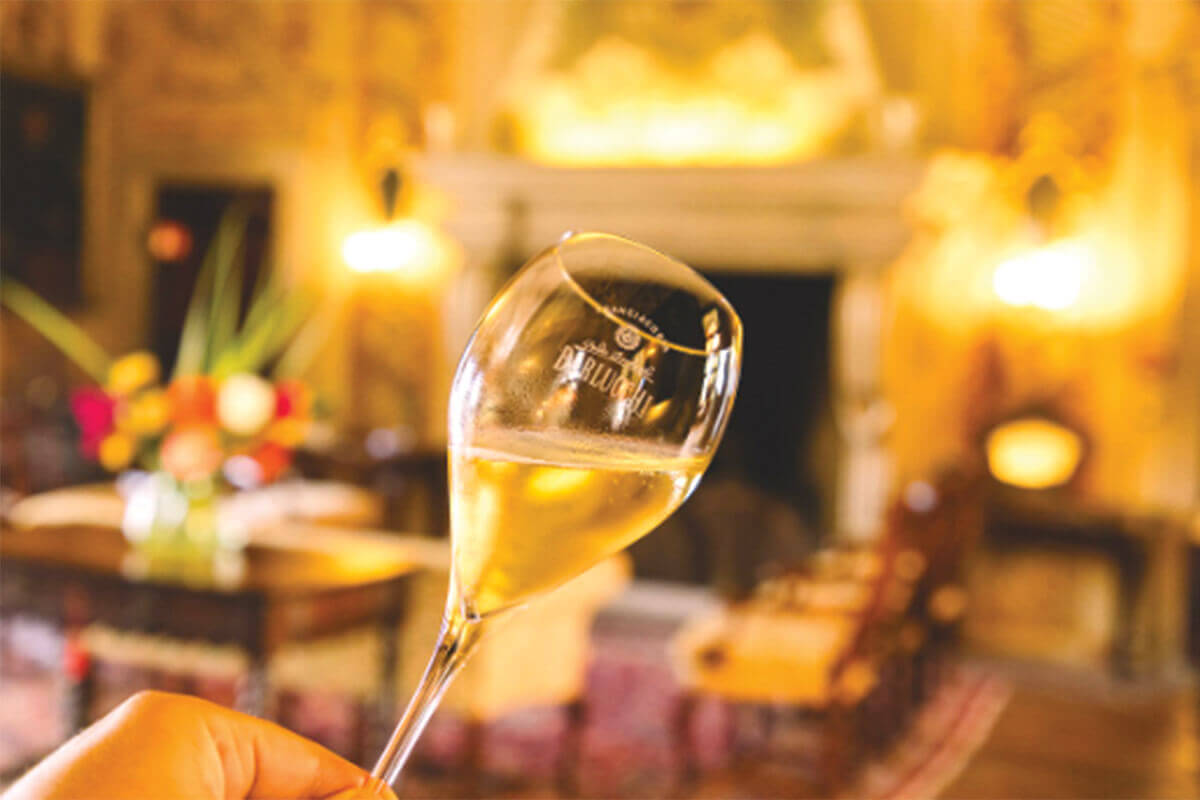
On a tour of the cellar and estate, Mario and I learned the nuances of this family-run vineyard, and eventually made our way to the old Palazzo Lana kitchen, where we had the opportunity to try the 1961 Berlucchi Brut and Berlucchi Nature Blanc de Blancs. The former is a 90/10 blend of Chardonnay/Pinot Noir, whose aroma reminded Mario of bread crust, followed by a hit of citrus. The 100% Chardonnay Nature is a zero-dosage wine, and understandably drier, though it stood up very well to our accompanying snacks. We walked away with a bottle of each.
Formidable Formaggio
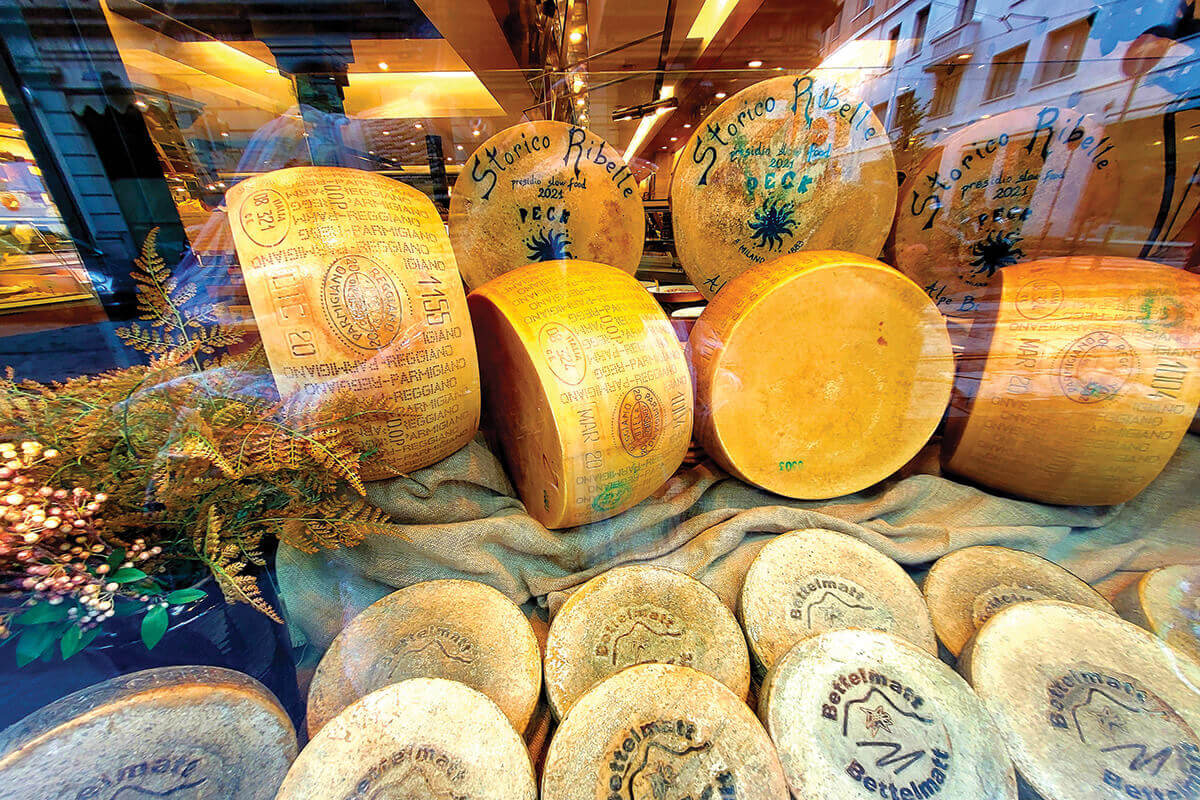
On our way back from Franciacorta, we made a slight detour past Brignano to visit a small producer of award-winning goat and sheep’s milk cheeses. Caseificio Lavialattea is located in an unassuming residential area that had us checking our GPS. Once inside, with their many medals in full view, it was clear we had found the right place. Cheesemaker Lorenzo Facchetti initially seemed shy but, once he started talking cheese, there was no stopping him. While many of the cheeses were absolutely superb, the Piramide del Pastore had us exchanging knowing looks. A soft cheese rolled in vegetable ash, this blend of cow, goat, and sheep’s milk has an earthy, umami layer of truffles—making it irresistible.
Traveling Bread
Accompanying our cheese and wine, we found some impossibly fragrant local strawberries and now only needed to find a bread to round out our feast. Luckily for us, Milan’s Mercato Centrale is adjacent to the Milano Centrale, the train station from which we are departing. We find Master Baker Davide Longoni’s Pane Terra stall in the market. The staff takes time to explain the various loaves’ regional origins. We choose a Pan Tramvai (Tram Bread), a pleasantly sweet sourdough studded with raisins. It’s traditionally eaten in the Lombardy region and is so-called in honor of the tram travelers connecting Monza to Milan.
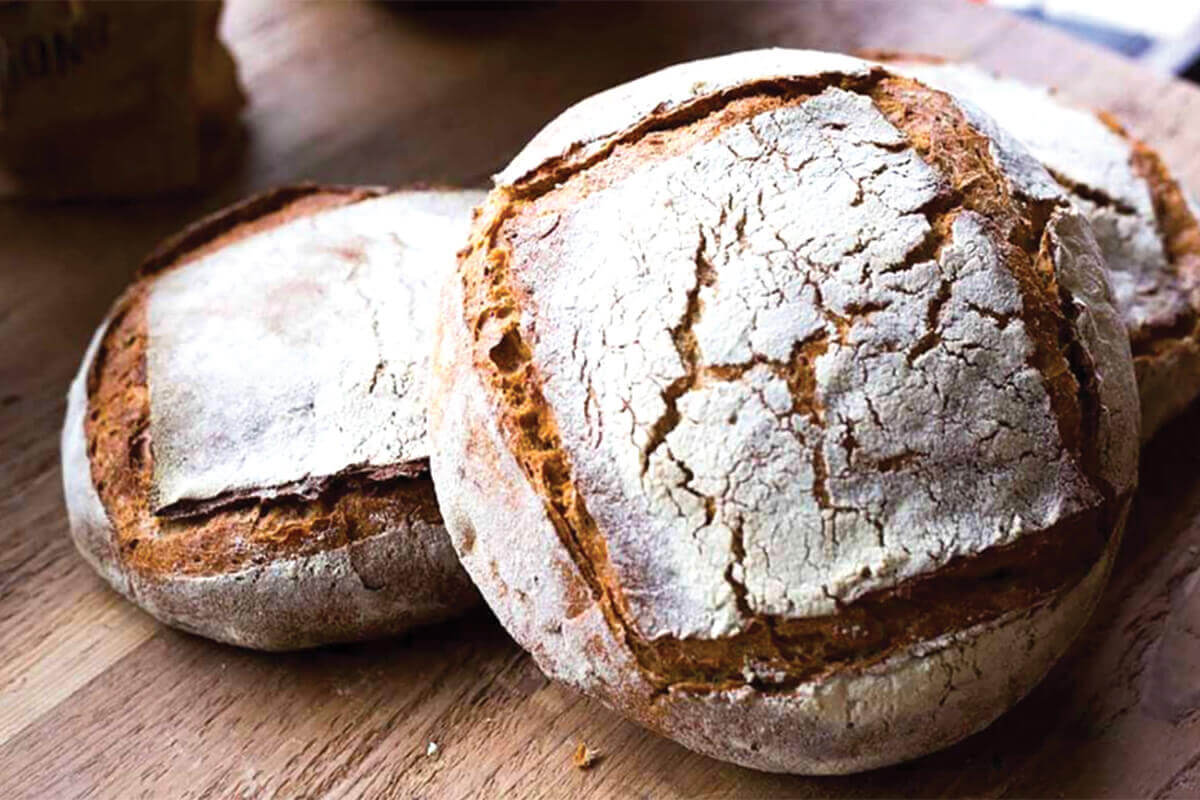
With loaf in hand, like those who traveled before us, we jump on a train to our next destination with our Northern Italian picnic and enjoy every bite of terroir that brought these edible masterpieces to being.
Call us today to plan your own Northern Italian culinary adventure.