This trip includes
- Paris/Tromso and Longyearbyen/Paris flights selected by Compagnie du Ponant in economy class
- The transfers mentioned above
- The services of a local guide
- A cruise in partnership with National Geographic Expeditions, with a photographer and an expert on board
- Outings and arrivals in Zodiacs with naturalists
- Possibility of hikes
- Sailing in the heart of the Spitsbergen fjords and in search of the ice pack
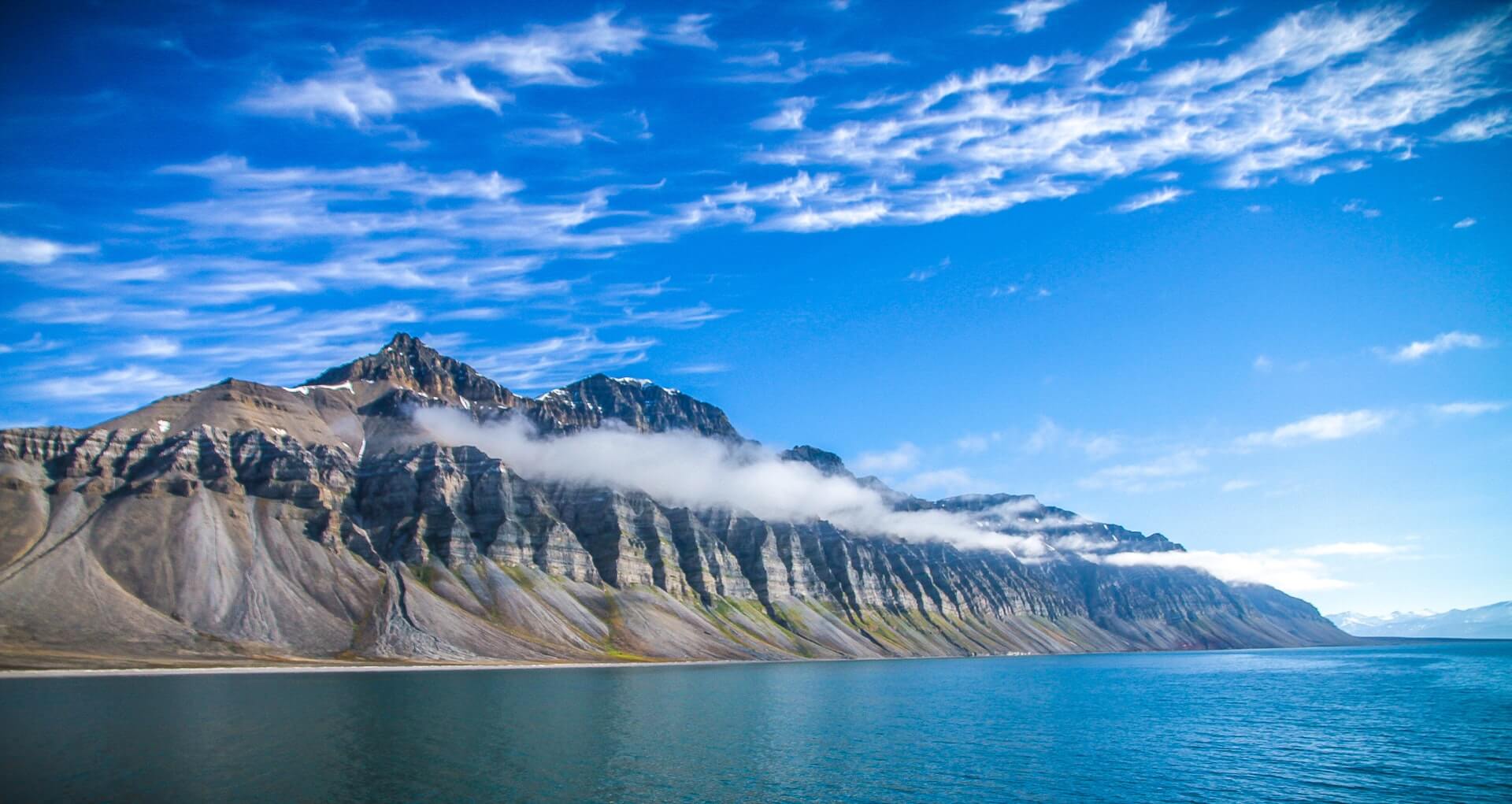
- Landscapes: pack ice, jagged mountains, icebergs, ice caps, deep valleys, dizzying walls, gigantic glaciers, glacier fronts…
- Wildlife: polar bears, arctic foxes, Svalbard reindeer, arctic terns, puffins, walruses, whales…
Route
Day 1: Tromso
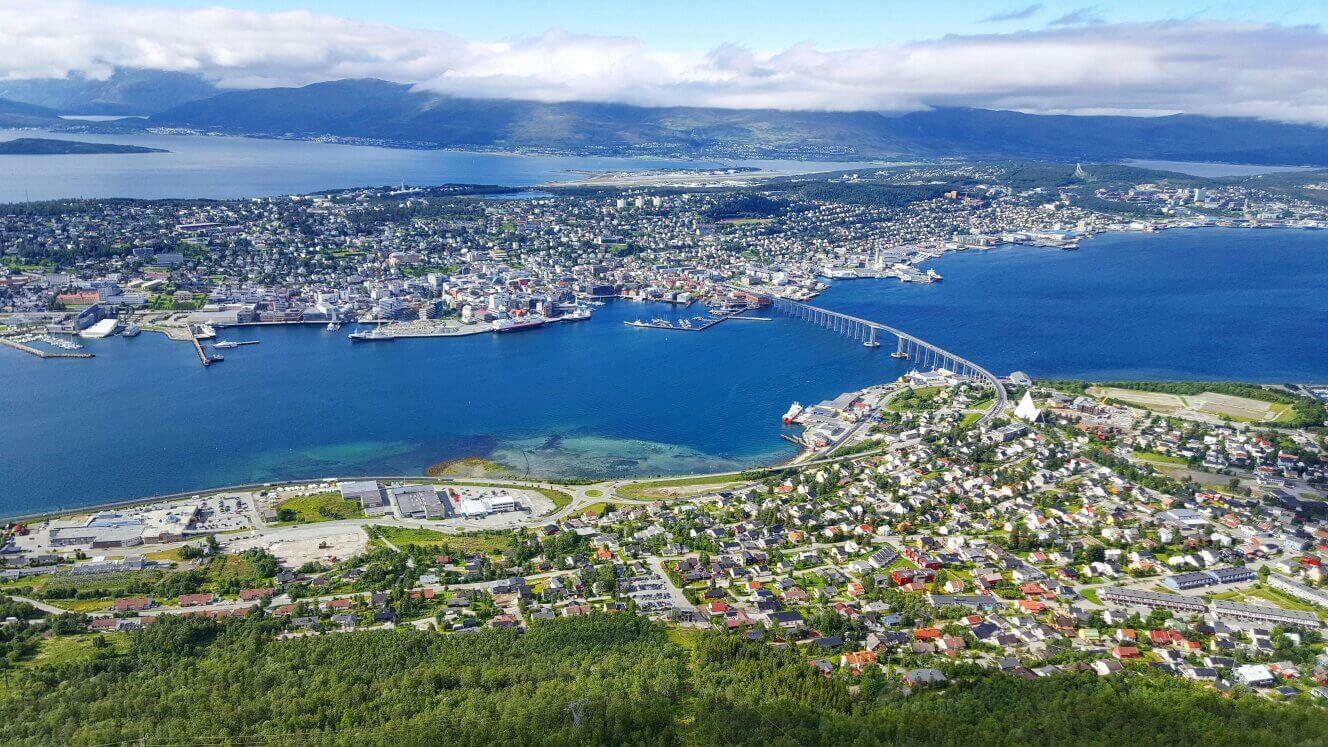
North of the Arctic Circle lies Tromsø, a town in Troms County. The Norwegians call it “the Paris of the North”. You’ll soon understand the reason for this when you discover its important neoclassical architectural heritage. A striking example is the Arctic Cathedral, a major building whose clean style refers to the shapes of the mountains that surround the city.
Day 2: At sea
During your day at sea, take advantage of the many services and activities on board. Treat yourself to a relaxing moment at the spa or keep fit at the gym. Depending on the season, enjoy the swimming pool or sunbathing. This non-stop day will also be an opportunity to attend the conferences and shows on board, do some shopping in the boutique or meet the photographers of the Compagnie du Ponant in their dedicated space. As for those who love the open sea, they will go to the upper deck of the ship to admire the spectacle of the waves and perhaps have the chance to observe marine species. A truly enchanting parenthesis, between comfort, rest and entertainment.

Day 3: Sailing past Bjornoya (Bear Island)
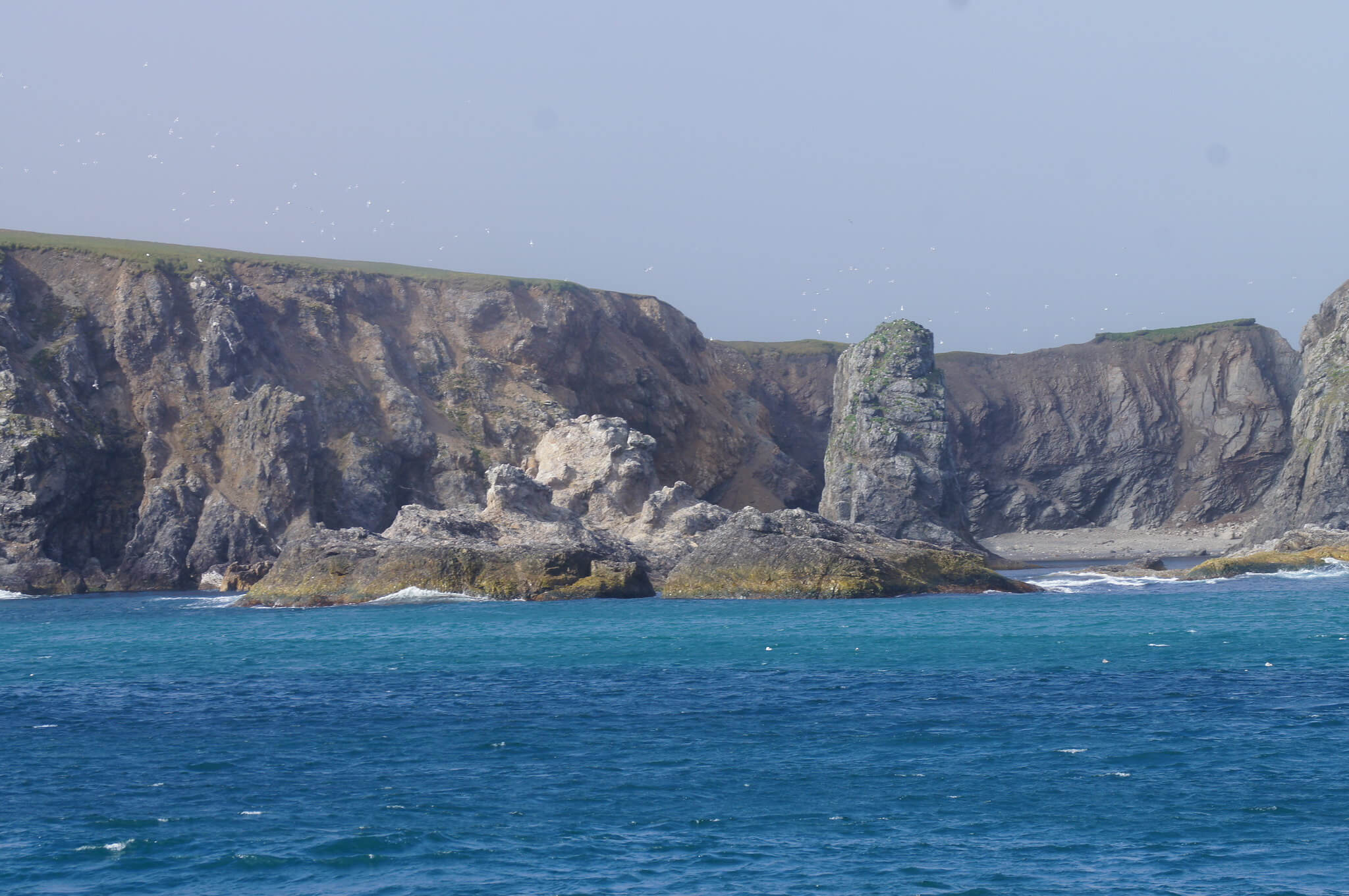
Halfway between Norway and Spitsbergen, you will cruise close to the coast of Bjørnøya, the southernmost island of Svalbard. From your ship you can see this isolated piece of land, discovered in 1596 by the Dutch navigator Willem Barents, who was searching for the Northwest Passage. After a fierce battle between a polar bear and the members of the expedition, he nicknamed the place Bear Island. Bjørnøya is regularly covered by a thick layer of fog and is home to a weather station, which was set up in 1923 and is still in operation. Classified as a nature reserve since 2002, the island is above all the refuge of a huge colony of sea birds: skuas, guillemots, puffins, black-legged kittiwakes, petrels, gulls and dwarf blackbirds live here.
Day 4: South Spitsbergen National Park
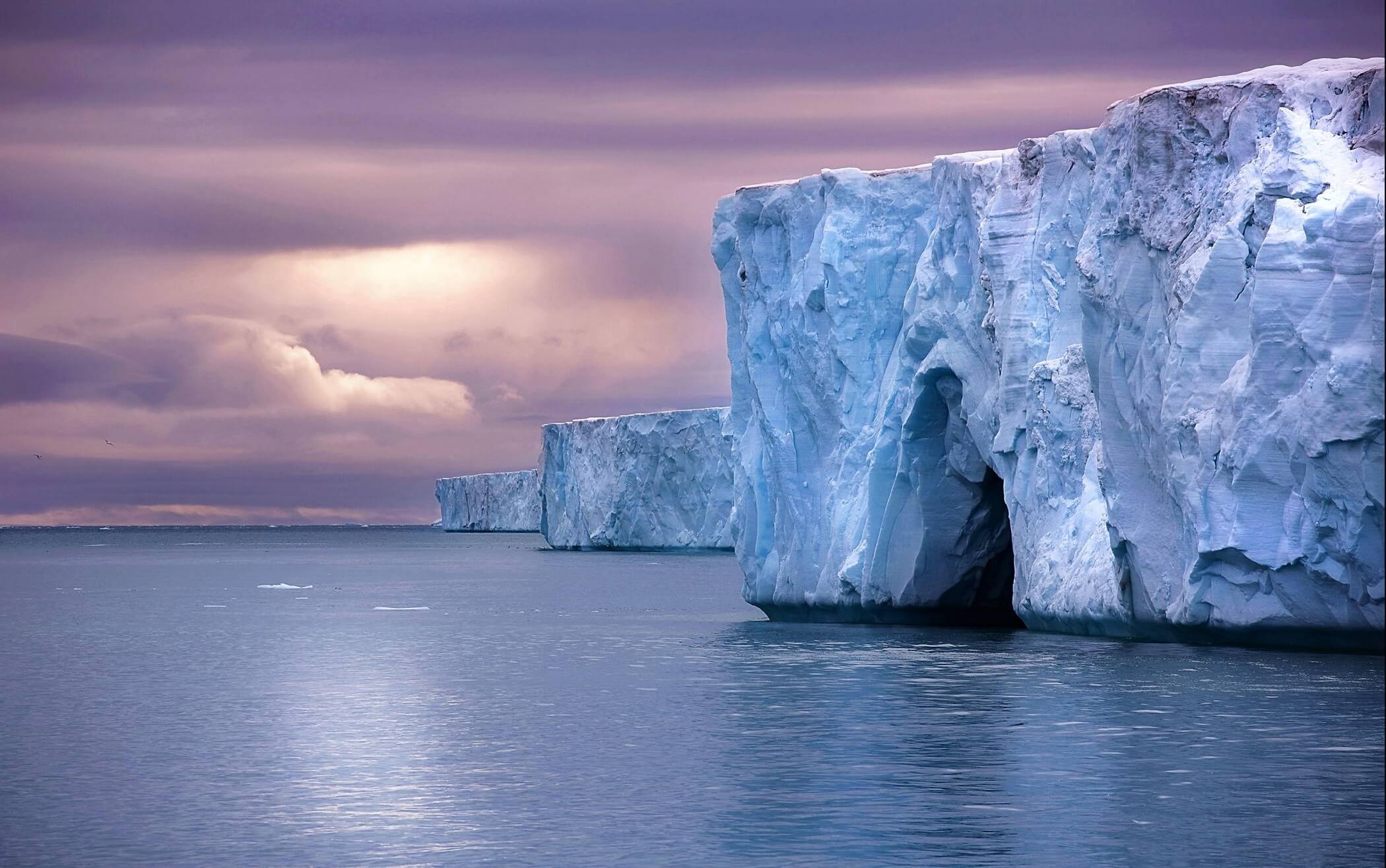
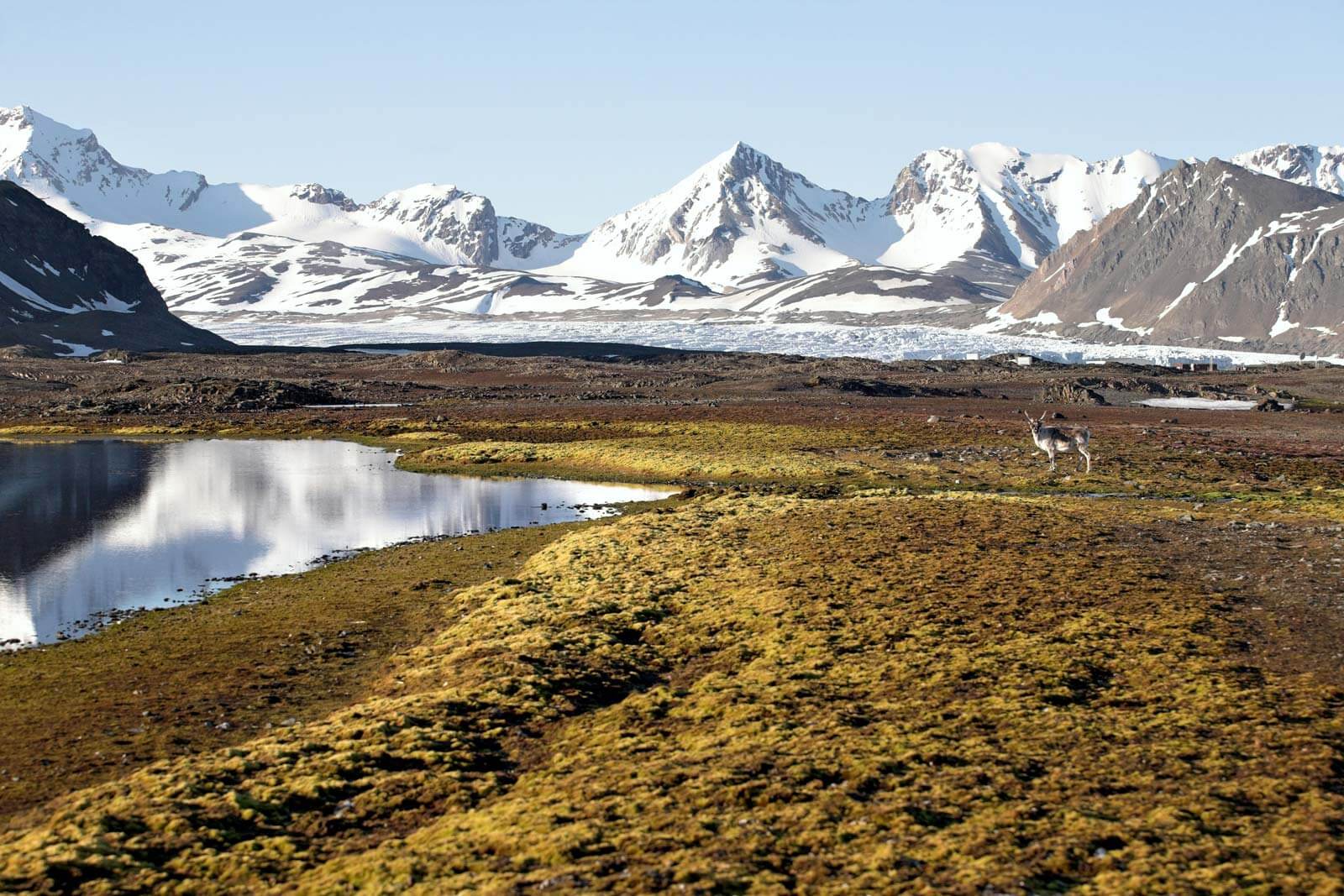
The Southern Spitsbergen National Park, established in 1973, is the largest national park in Norway and Europe with an area of up to 13,300 square kilometers. Two-thirds of its landscape is made up of ice and is divided between vast plains along the coast, alpine relief and impressive glaciers. You will discover the Hornsund, the southernmost fjord and one of the most beautiful fjords in Spitsbergen with a length of 28 km. Its eight large glaciers extend down to the sea and form a huge 25 km long ice front and important iceberg calves, making it one of the most spectacular panoramas in Spitsbergen. You will have the opportunity to observe numerous colonies of birds and polar bears living in this nature sanctuary.
Day 5: North West Spitsbergen National Park
Like the other Svalbard reserves, the North-West Spitsbergen National Park was established in the early 1970s to protect this exceptional environment from the growing interests of the mining industry. Nunataks, glaciers, islands and wide bays, arctic tundra covered with mosses and lichens in golden and silver tones… This region will fascinate you as much by its landscapes as by the many remains that bear witness to the history of the men who walked these shores from the beginning of the 17th century: from whalers to the first expeditions to the North Pole. In this preserved environment, you may be able to observe arctic terns or seals on the rocks that emerge at low tide.
Day 6: Ice floe navigation
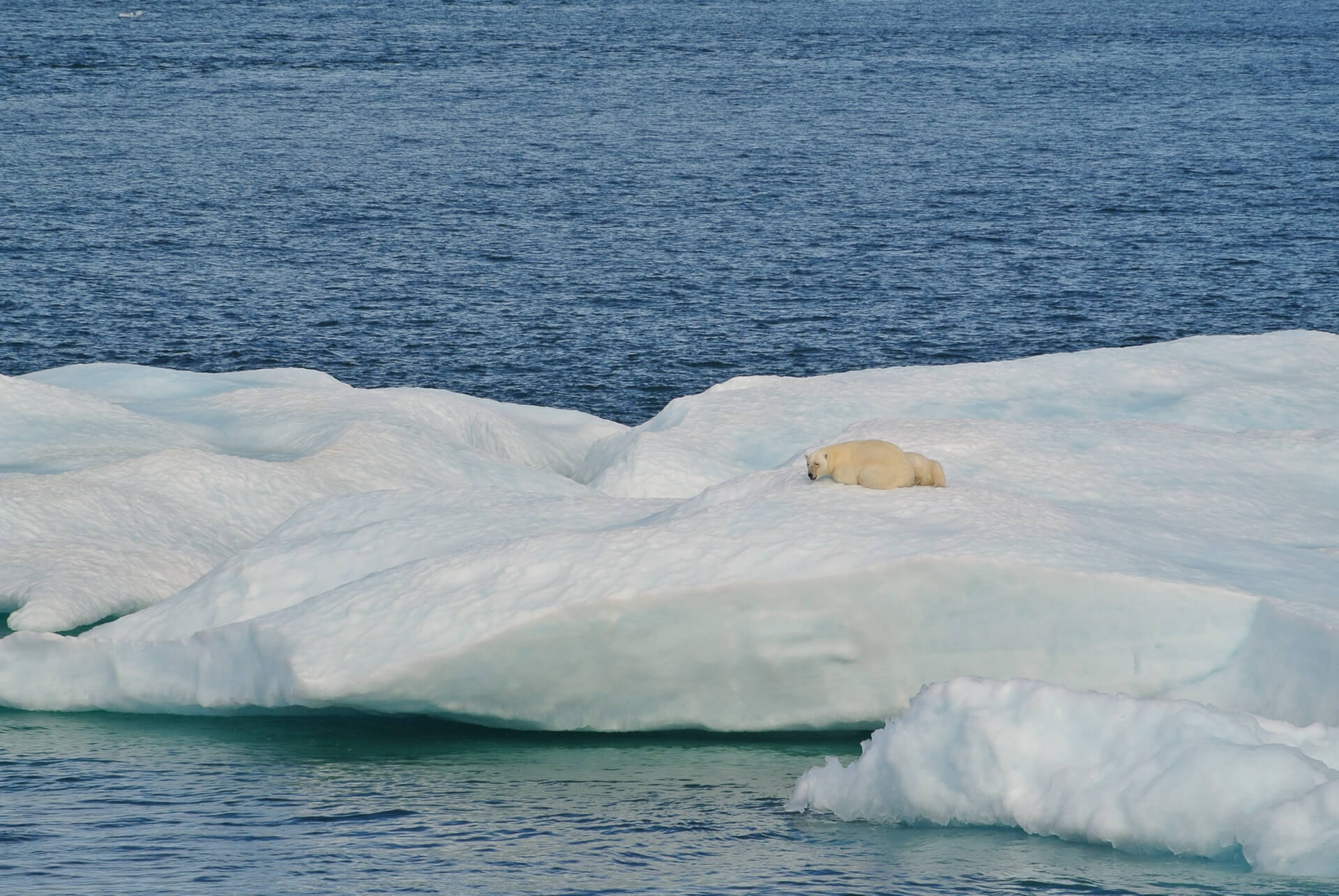
Live the absolutely unique experience of sailing in the heart of the ice pack, this vast expanse of ice, pristine and untouched. The landscape is constantly changing, from a smooth, flat expanse to a chaos of ice and then to open water channels. Your ship will use these channels, which are already naturally open, and areas of thinner ice to offer you magical sailing moments amidst drifting patches of sea ice. It will also often be an opportunity to meet a particular type of fauna, which is dependent on the ice pack.
Day 7: North West Spitsbergen National Park
Like the other Svalbard reserves, the North-West Spitsbergen National Park was established in the early 1970s to protect this exceptional environment from the growing interests of the mining industry. Nunataks, glaciers, islands and wide bays, arctic tundra covered with mosses and lichens in golden and silver tones… This region will fascinate you as much by its landscapes as by the many remains that bear witness to the history of the men who walked these shores from the beginning of the 17th century: from whalers to the first expeditions to the North Pole. In this preserved environment, you may be able to observe arctic terns or seals on the rocks that emerge at low tide.
Day 8: Kongsfjorden (King's Bay), Spitsbergen
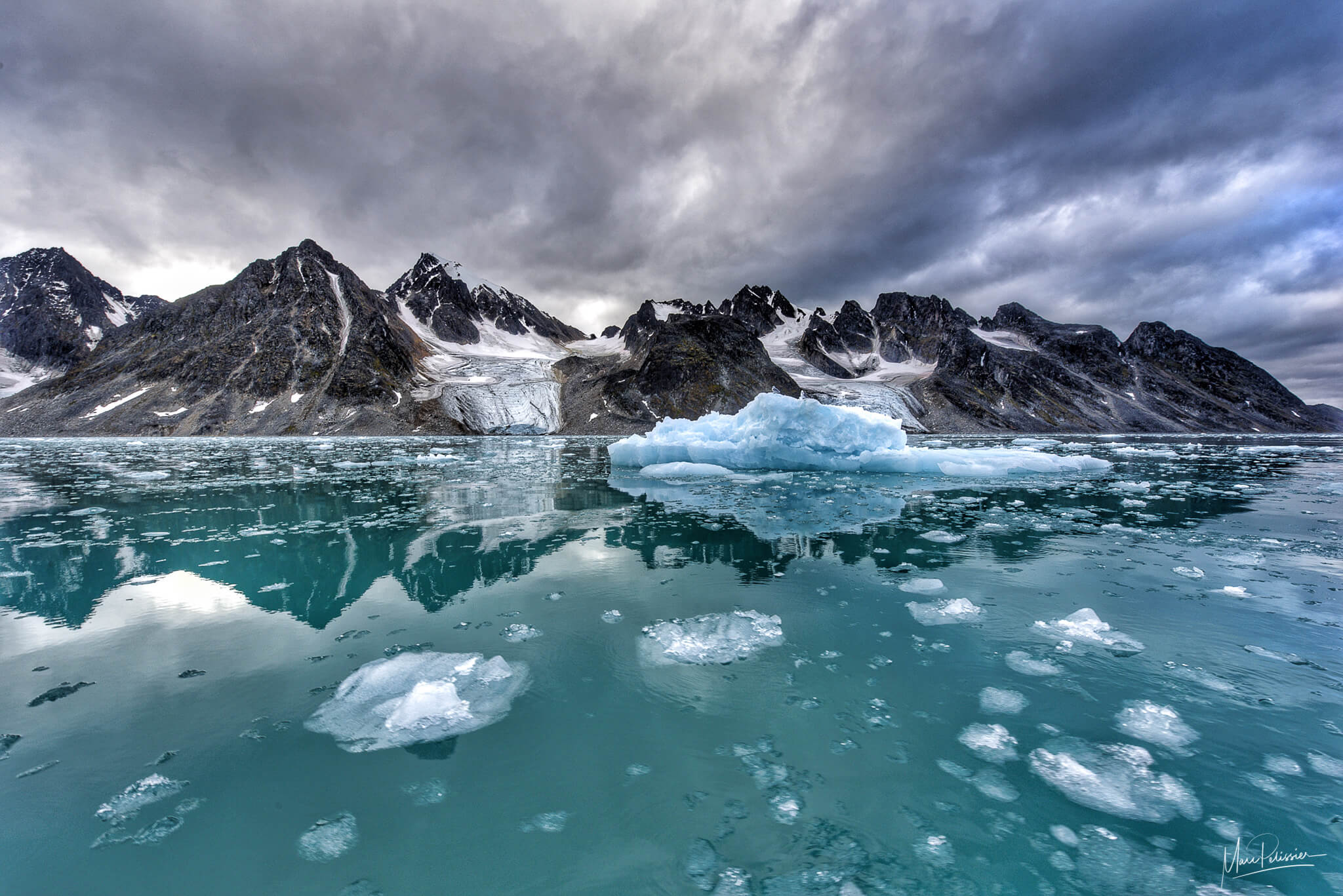
Near the former mining town of Ny-Ålesund, discover the King’s Bay and the wonderful surprises it has in store for you. Your ship will sail into one of Svalbard’s most beautiful fjords: Kongsfjorden (King’s Fjord), the gateway to the magnificent scenery. Here, snow-covered mountains are reflected in the water where superb icebergs compete in beauty, to the delight of photographers. Bearded seals, reindeer, barnacle geese and mirrored guillemots visit these places with their unique atmosphere. Once at the end of the fjord, admire the Kongsbreen (King’s glacier) and its three characteristic rocky points, named after three Scandinavian countries: Svea (Sweden), Dana (Denmark) and Nora (Norway).
Day 9: Longyearbyen, Spitsbergen
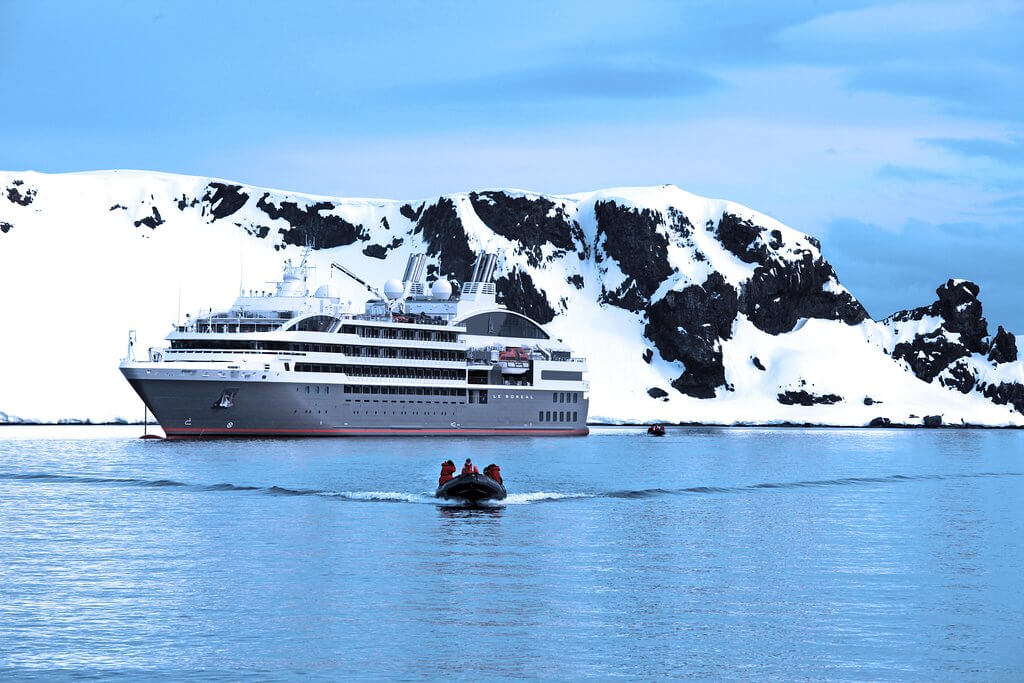
Located on the main island of the Svalbard archipelago, Longyearbyen is the northernmost territorial capital of the planet. With winter temperatures as low as minus 40°C, the landscapes of this mining town are breathtaking. The glaciers, the mountains as far as the eye can see and the wilderness gives you the impression of entering an unexplored land.