

A getaway with the guys begins with a spirited train ride and culminates with visits to family-owned distilleries. In Mexico, tequila is more than a drink. It’s a culture, a source of pride, and a vehicle to experience generations of tradition. Join Michael Shapiro and his long-time friend Julio Bermejo, as they travel through Mexico’s agave fields and distilleries, to discover the bonding power of tequila, and the dedicated families behind it.
A ride on a tequila-inspired train is how dreams begin in Mexico.
My long-time friend Julio Bermejo and I board the Jose Cuervo Express; a train that travels from the city of Guadalajara to the town of Tequila, which is now officially recognized as a “Pueblo Magico” (magical village).
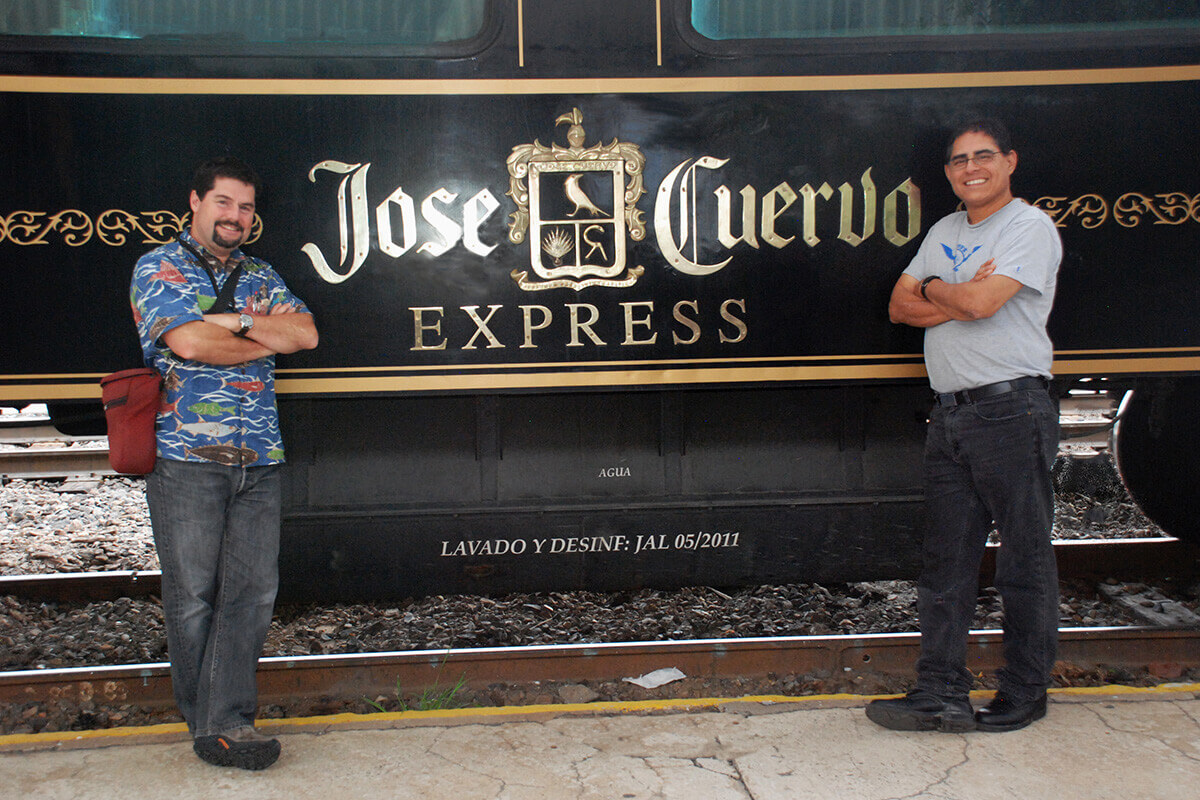
We’re in the recently unveiled Elite class, a wood-paneled train car with mariachi bands, premium tequila tastings, and a Mexican lottery game.
Sipping tequila while passing fields of agave, the spiky green succulent from which tequila is made, is the perfect way for a couple of guys to kick off a long weekend celebrating Mexico’s premium spirit.
“Grape fields are all over the world, but agave grows only here,” Julio remarks as the train chugs past a towering volcano. “It gives you a sense of place. When you see agave fields, you know where you are; it reminds you everything comes from the land.”
Later, at the sprawling Jose Cuervo distillery called Fábrica La Rojeña, I turn the lever to open an oaken cask and pour my own bottle of Cuervo’s finest tequila, its Reserva de la Familia. Then I push in the cork and dip the bottle in molten red sealing wax.
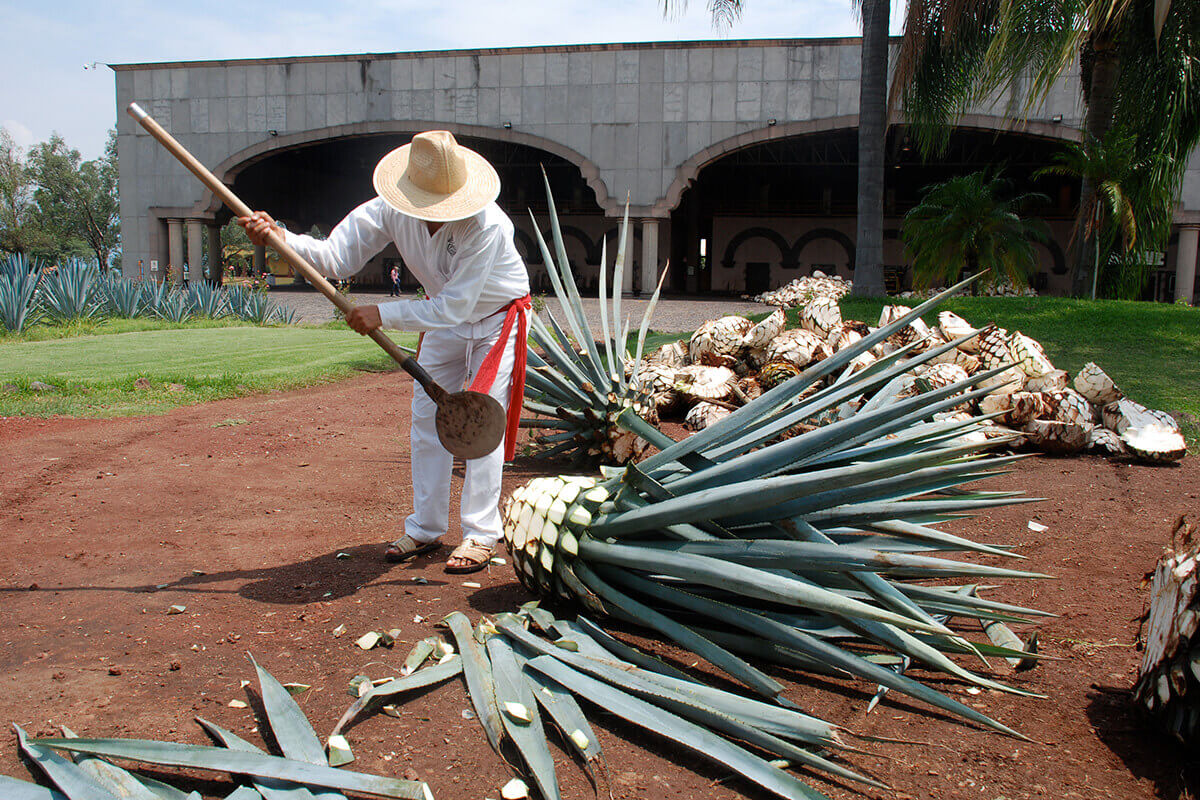
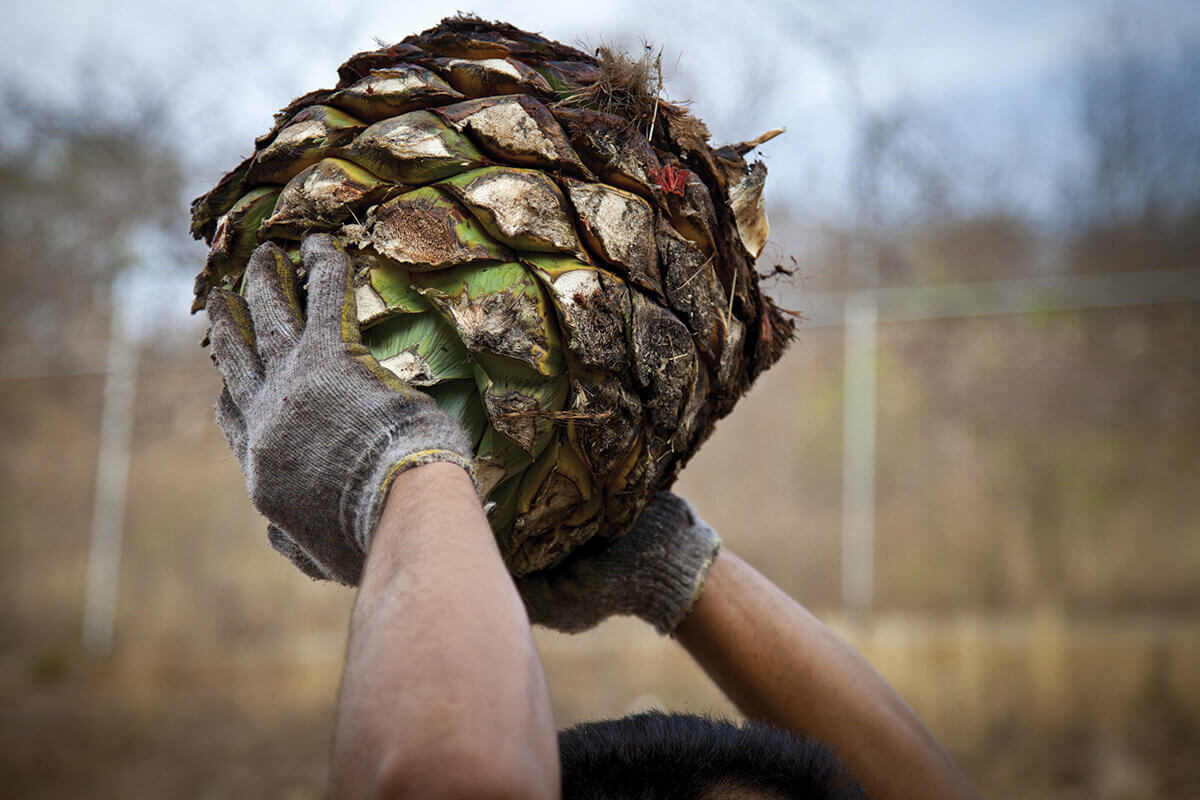
The next day, we visit Guillermo Sauza at Tequila Fortaleza. As his surname suggests, he’s tequila royalty. He was in line to run the tequila behemoth Sauza, but in the late 1980s, his family sold the company. Guillermo launched Fortaleza, the small premium tequila maker, in 2002. “Tequila-making can’t be rushed,” says Guillermo, looking relaxed in a Hawaiian shirt. The agave heads take seven to 10 years to grow and weigh 50 to 200 pounds when harvested.
Across the street from Fortaleza is the boutique distillery Arette. Eduardo Orendain, the earnest son of the owner and the fifth generation to work in his family’s business, grew up with tequila.
“I love tequila,” says Eduardo, who is in his late 20s. “Since I was little, I rode horseback in the agave fields, but my family put me to work – I had to clean the bottles.”
In the hills above the town of Tequila is Casa Noble, which has made a name for itself with its triple-distilled premium tequila. Aged in French white oak barrels, Casa Noble is made at the Cofradia compound, which includes lavishly decorated hotel rooms and a restaurant called La Taberna, which serves everything from fishbowl drinks to locally sourced lunches.

Casa Noble uses atmospheric fermentation, which means its tanks are open to wild yeast in the air. The best way to evaluate tequila is straight from the tank, says our guide, David. “You can’t imagine what tequila really tastes like until you’ve tasted it straight from the still.”
As we sit down to taste, David notes that taking a shot isn’t the way to enjoy tequila. “It’s like drinking boiling coffee and getting scalded,” he says. The right way is to sip it, slowly. “It’s not one quick bang – how about the cuddling and kissing – that’s what makes it more enjoyable.”
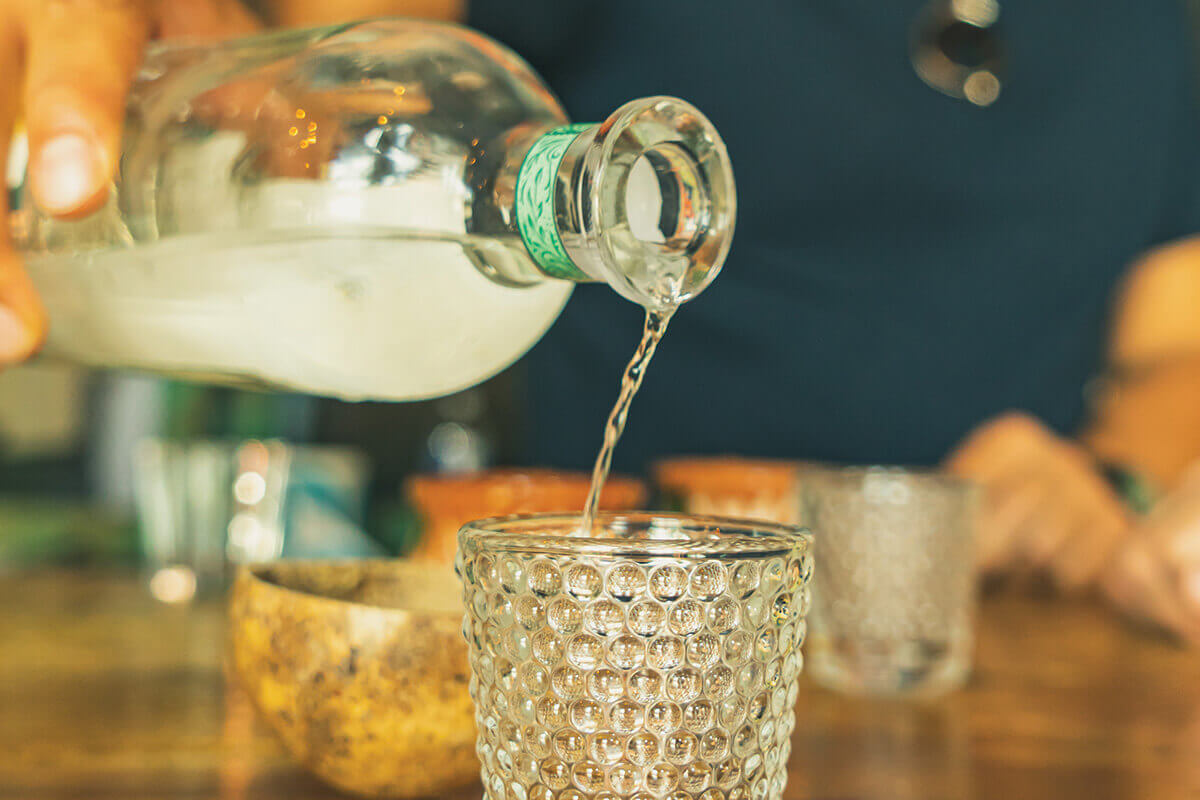
Tequila is one of the best-selling spirits in the world, which is “phenomenal,” Julio says, because by law it can only be grown in designated districts in Mexico, mostly in Jalisco.
The town of Tequila isn’t the only region where Mexico’s national spirit is distilled. Some of the best producers are in Jalisco’s highlands, east of Guadalajara, so we travel to the pueblo of Arandas to visit Tapatio.
Referring to a leading scotch brand, Julio says: “There’s no Mr. Macallan” in Scotland, but in Mexico you can still visit many family-owned distilleries. “It’s a beautiful thing.”
Carlos Camarena, Tapatio’s director, is proud of adhering to generations of tradition. A tahona (a grinding stone the size of a small car) is used to mash the agave for Tapatio’s premium brand, El Tesoro de Don Felipe. The process is “old and inefficient, but this is the way my father and grandfather did it.” Carlos says, raising a glass of golden tequila.
Beverage conglomerate Seagram’s approached the Camarena family and offered “way more than the company was worth,” he says.
“But you know what, we didn’t accept. We have more than 80 years of tradition of making a good-quality product. We have a decent living. That’s all we need.”